




Content Image

HISTORY

HISTORY

What is the Paris Aquarium?

The Aquarium de Paris is an informal, scientific, educational and entertaining institution dedicated to environmental education. Its mission is to help visitors discover the magic of the ocean, and to raise awareness of the issues surrounding the maritime world and the preservation of marine ecosystems.

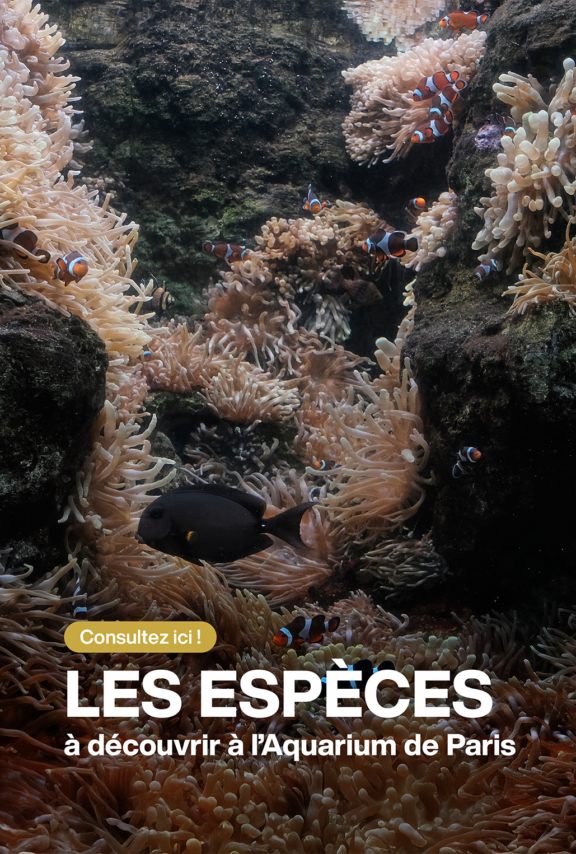
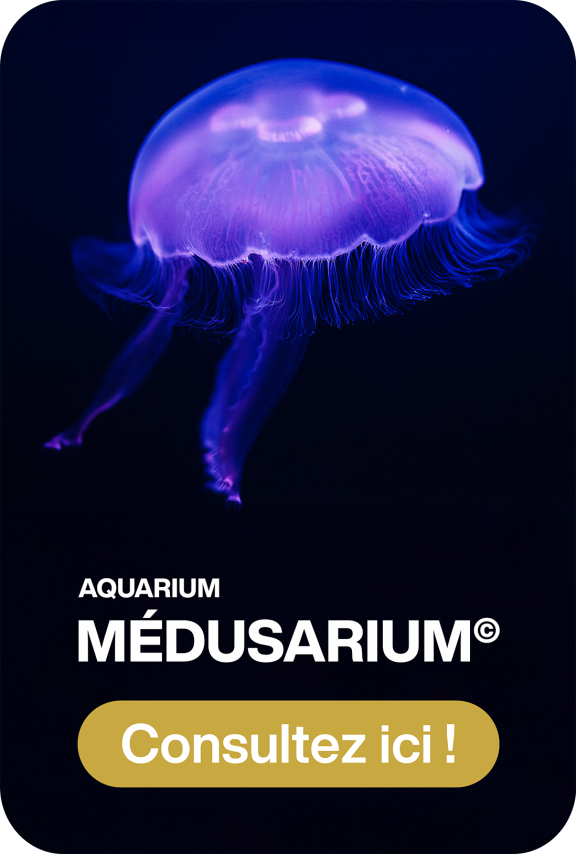
The Aquarium is home to some 13,500 fish and invertebrates from all the seas of mainland France and overseas, including 35 large sharks and 400 coral colonies. The facility boasts the largest collection of jellyfish outside Japan, with 24 tanks and 50 species presented in rotation. Visitors can find a wide variety of content via temporary exhibitions, conferences and various educational activities, included in the price of the visit, which help to understand the fragile beauty of marine biodiversity, and to develop and pass on knowledge about the marine environment.   

Aquarium de Paris - history

 Our figures

BASINS
0
Aquarium de Paris - Our History - Basins
BIG SHARKS
0
Aquarium de Paris - Our History - Shark
CORAL COLONIES
0
MEDUSES
+ 0
Aquarium de Paris - Our History - Medusa

An Aquarium through time

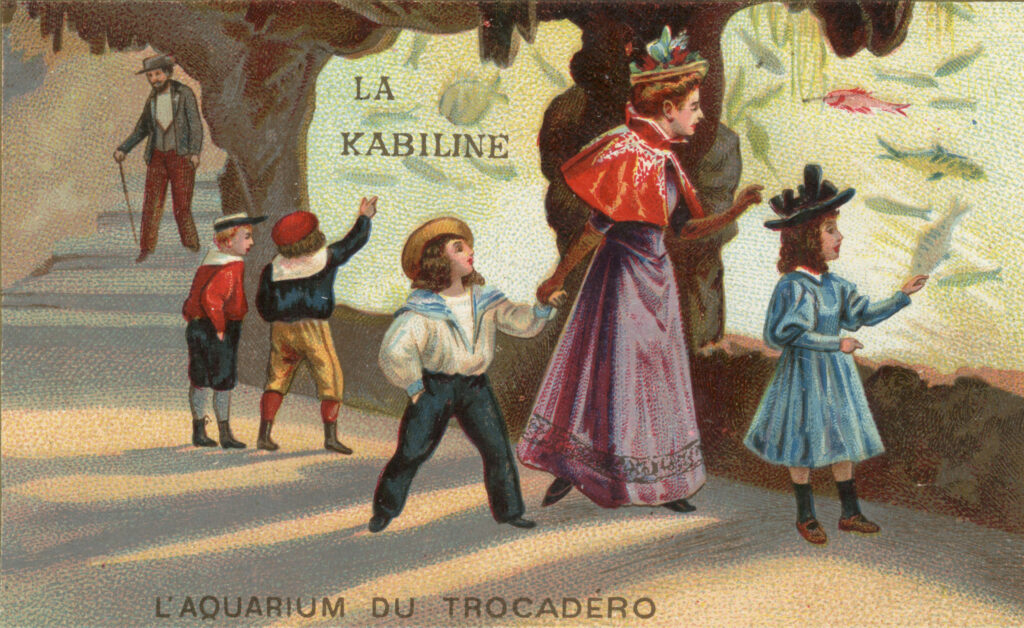
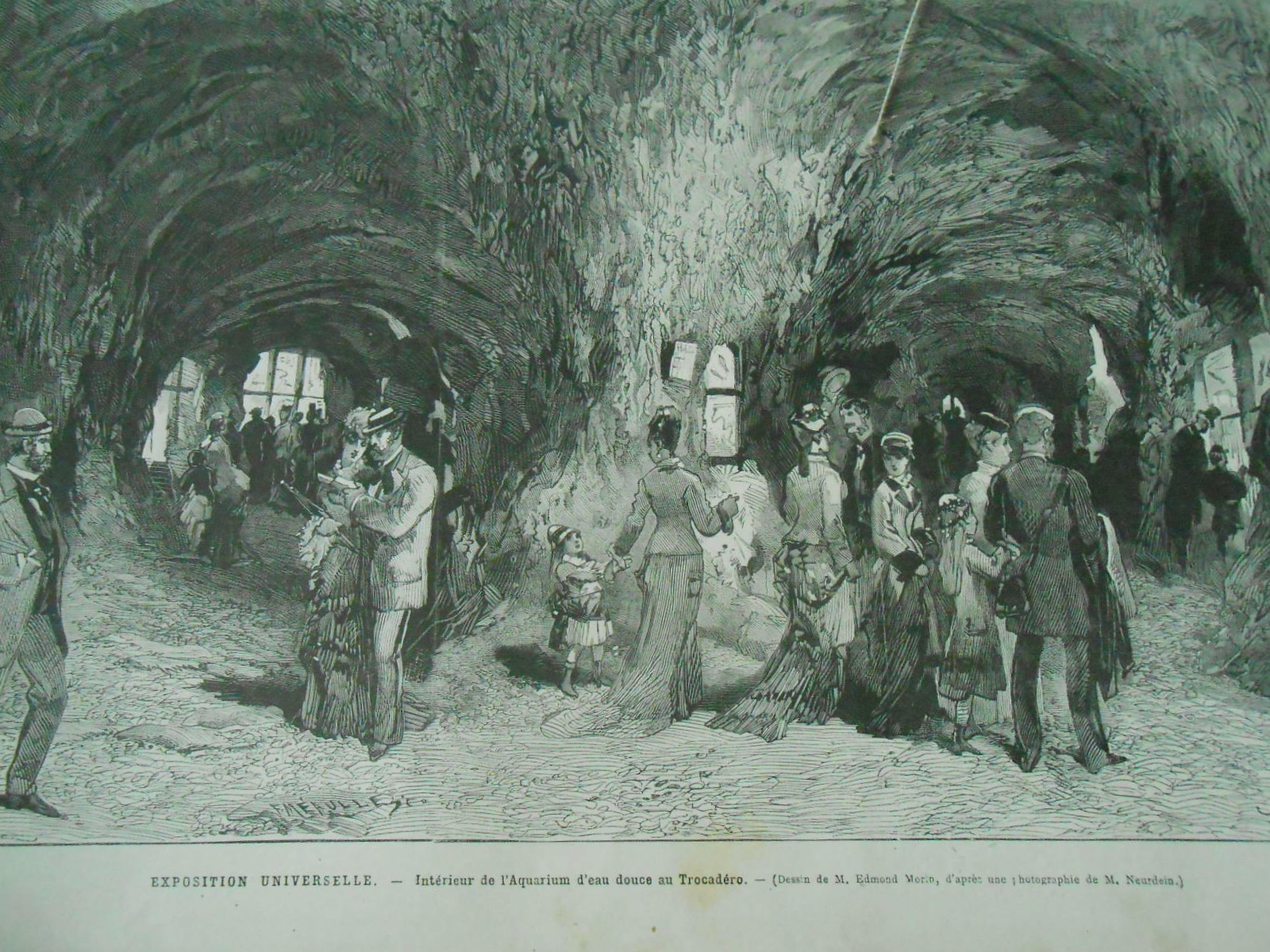
The Paris Aquarium, built for the 1878 Exposition Universelle, is considered the forerunner of all the world's public aquariums. At the time, the aquarium was called the "Aquarium du Trocadéro" and was designed by Eugène Combaz. In 1936, in preparation for the 1937 Universal Exhibition, the aquarium underwent a major refurbishment. It became the largest aquarium in Europe.

Aquarium de Paris - History

Closed in 1986, it was not reopened until 2006, thanks to the initiative of a foreign investor. The entire structure was redesigned during titanic works, without losing its original 19th-century spirit. Faithful to its original aspiration, the Aquarium de Paris continues to evolve over the years, remaining at the cutting edge of innovation, integrating new technologies and adapting to the different needs of its boarders.

What is the Paris Aquarium?

The Aquarium de Paris is an informal, scientific, educational and entertaining institution dedicated to environmental education. Its mission is to help visitors discover the magic of the ocean, and to raise awareness of the issues surrounding the maritime world and the preservation of marine ecosystems.

The Aquarium is home to some 13,500 fish and invertebrates from all the seas of mainland France and overseas, including 35 large sharks and 400 coral colonies. The facility boasts the largest collection of jellyfish outside Japan, with 24 tanks and 50 species presented in rotation. Visitors can find a wide variety of content via temporary exhibitions, conferences and various educational activities, included in the price of the visit, which help to understand the fragile beauty of marine biodiversity, and to develop and pass on knowledge about the marine environment.   

Aquarium de Paris - history

 Our figures

BASINS
0
Aquarium de Paris - Our History - Basins
CORAL COLONIES
0
MEDUSES
+ 0
Aquarium de Paris - Our History - Medusa

An Aquarium through time

The Paris Aquarium, built for the 1878 Exposition Universelle, is considered the forerunner of all the world's public aquariums. At the time, the aquarium was called the "Aquarium du Trocadéro" and was designed by Eugène Combaz. In 1936, in preparation for the 1937 Universal Exhibition, the aquarium underwent a major refurbishment. It became the largest aquarium in Europe.

Aquarium de Paris - History

Closed in 1986, it was not reopened until 2006, thanks to the initiative of a foreign investor. The entire structure was redesigned during titanic works, without losing its original 19th-century spirit. Faithful to its original aspiration, the Aquarium de Paris continues to evolve over the years, remaining at the cutting edge of innovation, integrating new technologies and adapting to the different needs of its boarders.