
Content Image

Jellyverse

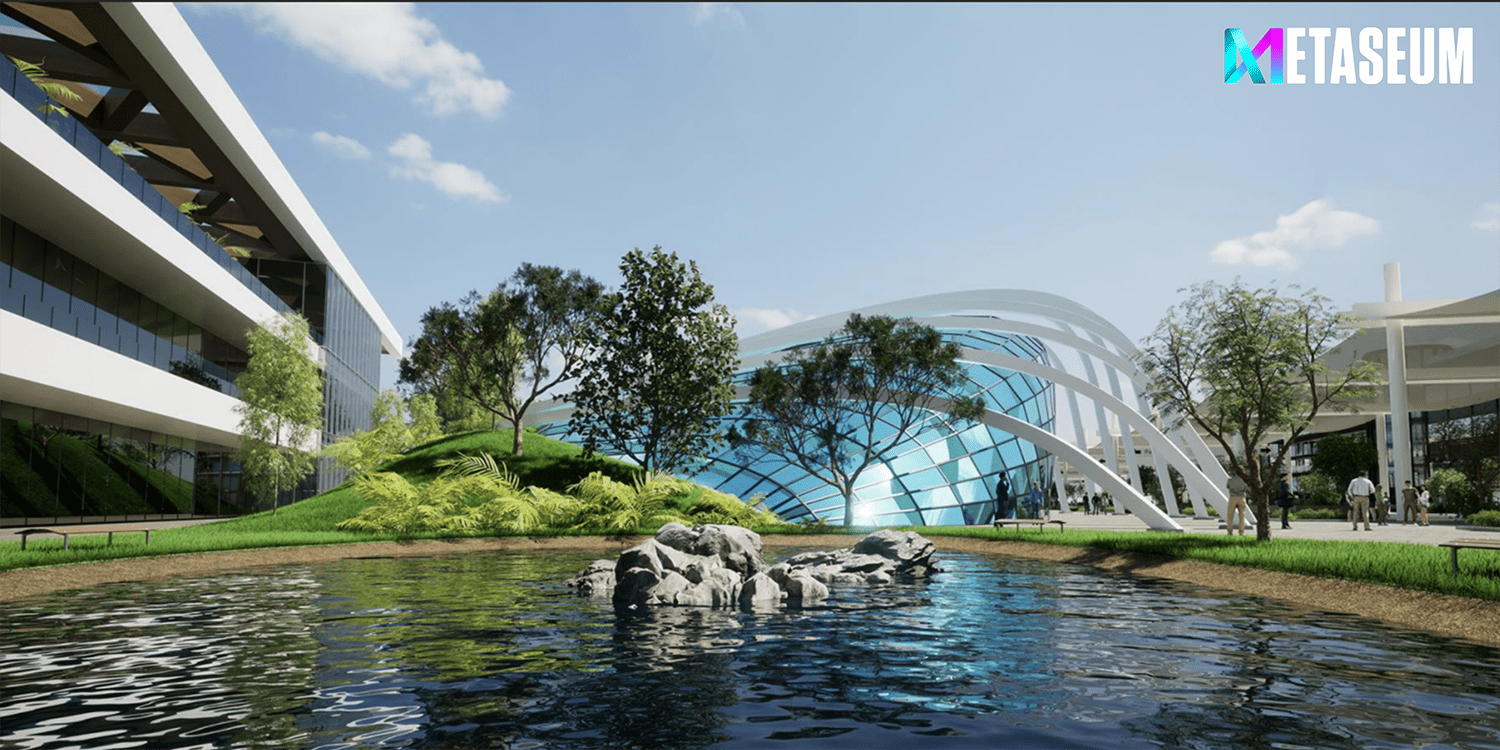
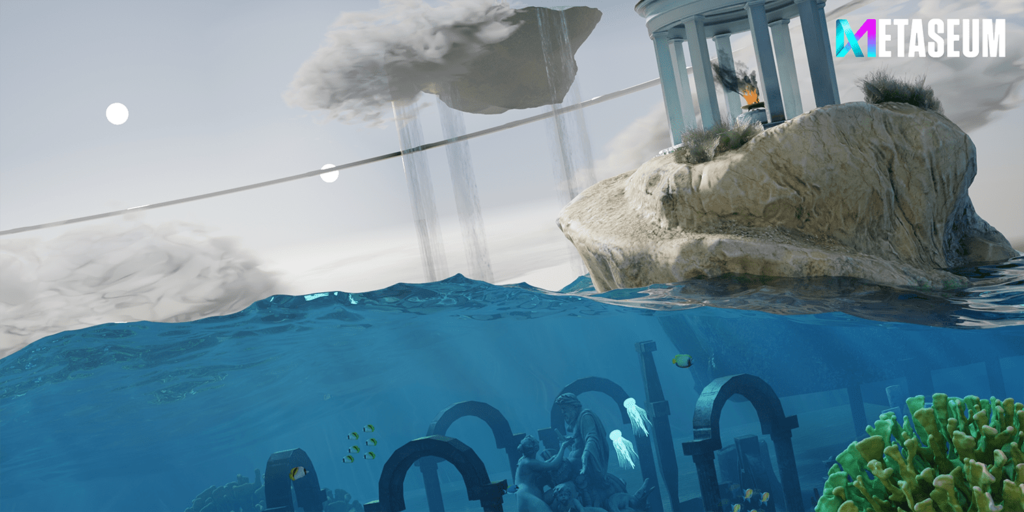
As digital technology invades our daily lives, there is also a strong demand for interactive museum experiences. To meet this demand, the Aquarium de Paris has developed a virtual platform where visitors can literally immerse themselves in the world of the Aquarium: the Jellyverse.
Technology at the service of science and culture for the general public.

To discover this fun and educational world, click below 

To find out more about the Jellyverse click here

The Aquarium de Paris launches its Cercle Premium in the form of NFT passes

Since its opening in 1867, the Aquarium de Paris has always been at the forefront of innovation. It now offers the opportunity to join its new Premium Circle, enjoying exclusive benefits while supporting the institution in its future projects!

Premium Membership gives you unlimited free access to the Aquarium de Paris, privileged invitations to events reserved for members of the Circle, and special discounts (-15% for companions, -15% in the boutique - excluding the bookshop, etc.). Members become part of an exclusive community, discovering the Aquarium on private guided tours and receiving scientific content specially created by professional biologists.


They have worked long and hard to create the 1234 NFTs, whose breathtaking visuals represent one of the Aquarium's 60 species of jellyfish. Each pass is unique in that it contains concrete scientific information on a particular jellyfish (age, dangerousness, lifestyle, etc.).


The world's first scientifically accurate NFTs

Created in 3D, the characteristics of these NFTs correspond in every respect to those of the jellyfish swimming in the Aquarium. Their Latin names, morphologies, drawings, tentacles, scientific families, danger indexes, geographical locations and ages have been expressly verified by a team of marine biologists.For the first time in the history of NFTs, metadata will be used to categorize scientific characters.


Science and art meet. For the first time, these scientific data are encoded on blockchain, using this new technology for mediation purposes.

The NFTs in the Jellyfish Collection have been created as part of a scientific mediation approach to raising scientific awareness. Acquiring a Jellyfish NFT also means promoting the sharing of knowledge, particularly about animals as little known to the public as jellyfish.

The Paris Aquarium at the heart of innovation

"From its very beginnings in 1867, the Aquarium de Paris has been at the heart of innovation. As the first modern aquarium to be built in the heart of the industrial revolution, it left a deep impression on people, inspiring even Jules Vernes to write Twenty Thousand Leagues Under the Sea. Today, in the age of virtual reality, the Aquarium de Paris claims to be a pioneer of the Metaverse. It is launching a collection of 1,234 NFTs, each of these unique works created using an algorithm that includes biological criteria, which blend in a fascinating way with the process of artistic creation. Science and art find a fruitful new field of exchange, to embody the magic of the Ocean in the virtual world," confides Alexis Powilewicz, CEO of the Paris Aquarium.


"For our first collection of NFTs we chose to highlight the different species of jellyfish we feature in our Médusarium®. We wanted this collection to be scientifically validated, so our dedicated jellyfish team worked hand in hand with Metaseum artists to ensure that all the biological characteristics of each species were brought together. Thanks to this work, the NFTs are becoming a new educational medium to help people discover these little-known species!" - Etienne Bourgouin, marine biologist at the Paris Aquarium


From a very young age, I've always been a fan of aquariums and dreamed of having a large one in my own home. Today, working for the world's oldest public aquarium, creating a one-of-a-kind NFT collection, is a real achievement for me. Metaseum's ambition is to push back the boundaries of NFTs in the world of culture. We have succeeded in creating an exceptional collection, collaborating with the Aquarium team every step of the way to ensure that the Jellyfish NFTs correspond in every way to the jellyfish that swim in their tanks. It's a real technological feat, and we hope
to be able to create a dynamic community aware of the issues involved in safeguarding marine life. I'm convinced that it's by creating a strong link between cultural institutions and the public that we can promote knowledge sharing to a new level, that of Web3. " Martijn van Schaik, CEO Metaseum.

How do I purchase Jellyfish NFTs?

The purchase process has been simplified so that anyone, whether or not they are familiar with NFTs, can acquire one or more NFT Jellyfish. "Go to the "Aquarium de Paris" tab on the Metaseum website, click on "buy an NFT" and you'll be able to pay directly using your usual payment method: paypal, visa, mastercard, Apple Pay, Google Pay, etc. As simple as any other internet purchase: this process is made possible by our partner Byont."


NFT regulars can finalize their purchase using their wallet, such as Metamask, and pay in ethereum (ETH).

Price per NFT: 0.14 ETH (equivalent to €165 on January 5, 2023).

Tutorial for buying an NFT on the Metaseum platform: https://www.youtube.com/watch?v=3OCgh9wR5BE&t=2s

The first aquarium to open in Métavers

In the first half of 2023, the Aquarium de Paris will enter the metaverse, becoming the first aquarium in the world to do so.

BENEFITS FOR COLLECTORS

  • unlimited free access to the Paris Aquarium
  • in-store discounts
  • invitations to VIP events (meetings with biologists, guided tours of the tanks, invitation to the arrival of the polyps of the species purchased...)

Becoming the first aquarium to enter the Web3 market, the Aquarium de Paris is introducing these "bonuses"(utilities in Web3 parlance) to create a truly eclectic community made up of marine, Web3 and art enthusiasts. The purchase of an NFT will give the holder the opportunity to become part of this community, capable of guiding the management of the Aquarium, promoting a participative dynamic and openness towards the public.

A little history

Opened in 1867, it is the oldest public aquarium in the world, with an average of 700,000 visitors a year, 13,000 fish and invertebrates, including 60 different species of jellyfish. The Aquarium de Paris boasts the world's largest collection of jellyfish outside Japan. The Médusarium laboratory is at the cutting edge of international research. The dedicated team now includes four of the world's leading jellyfish biologists. They are able to control the many parameters (salinity, temperature, current, feeding) at different stages of the animal's life, according to each species. The Aquarium mainly studies the polyp form: the initial, fixed stage of the jellyfish. It's this expertise that now enables visitors to enjoy this hypnotic, scientific and artistic experience.

"From its very beginnings in 1867, the Aquarium de Paris has been at the heart of innovation. The first modern aquarium to be built at the heart of the industrial revolution, it made a profound impression on the public, inspiring even Jules Vernes to write Twenty Thousand Leagues Under the Sea.

Today, as the age of virtual reality dawns, the Aquarium de Paris claims to be a pioneer of the Metaverse. It is launching a collection of 1,234 NFTs, each of these unique works created using an algorithm that includes biological criteria, which blend in a fascinating way with the process of artistic creation. Science and art find a fruitful new field of exchange, to embody the magic of the Ocean in the virtual world," confides Alexis Powilewicz, CEO of the Paris Aquarium.

Metaseum is the metavers of culture. By creating a worldwide community, it allows you to discover museums, monuments and galleries online, as well as the collection of NFTs authenticated by cultural institutions. It offers a totally immersive and interactive experience, powered by Unreal Engine 5 and Polygon. NFTs offer benefits such as free lifetime access to museums worldwide, access to exclusive events and collectibles. Metaseum was created with the aim ofhelping cultural institutions enter the Web3.
At a time when museums are finding it increasingly difficult to attract new visitors, their metavers create and unite a community around culture. Accessiblethe public is invited to discover the art and knowledge of museums around the world. Through the "learn to earn"Visitors will learn how to earn crytocurrency, which can be reused within the metaverse. While physical museums are governed by strict physical and social codes, the Metaseum metaverse will offer visitors the chance to go beyond them: swimming in an aquarium, running through the corridors, interact with works of art, etc. It has been proven that interaction is an excellent way to learn,
now increasingly used in schools. Introducing it into virtual museums will create a new synergy between the public and culture.



Similar Tours

Similar Tours You May Like

Featured Image

Botswana

225.99 USD
Standard Edition
Read More
Featured Image

Kenia

225.99 USD
Standard Edition
Read More
Featured Image

South Africa

225.99 USD
Standard Edition
Read More